
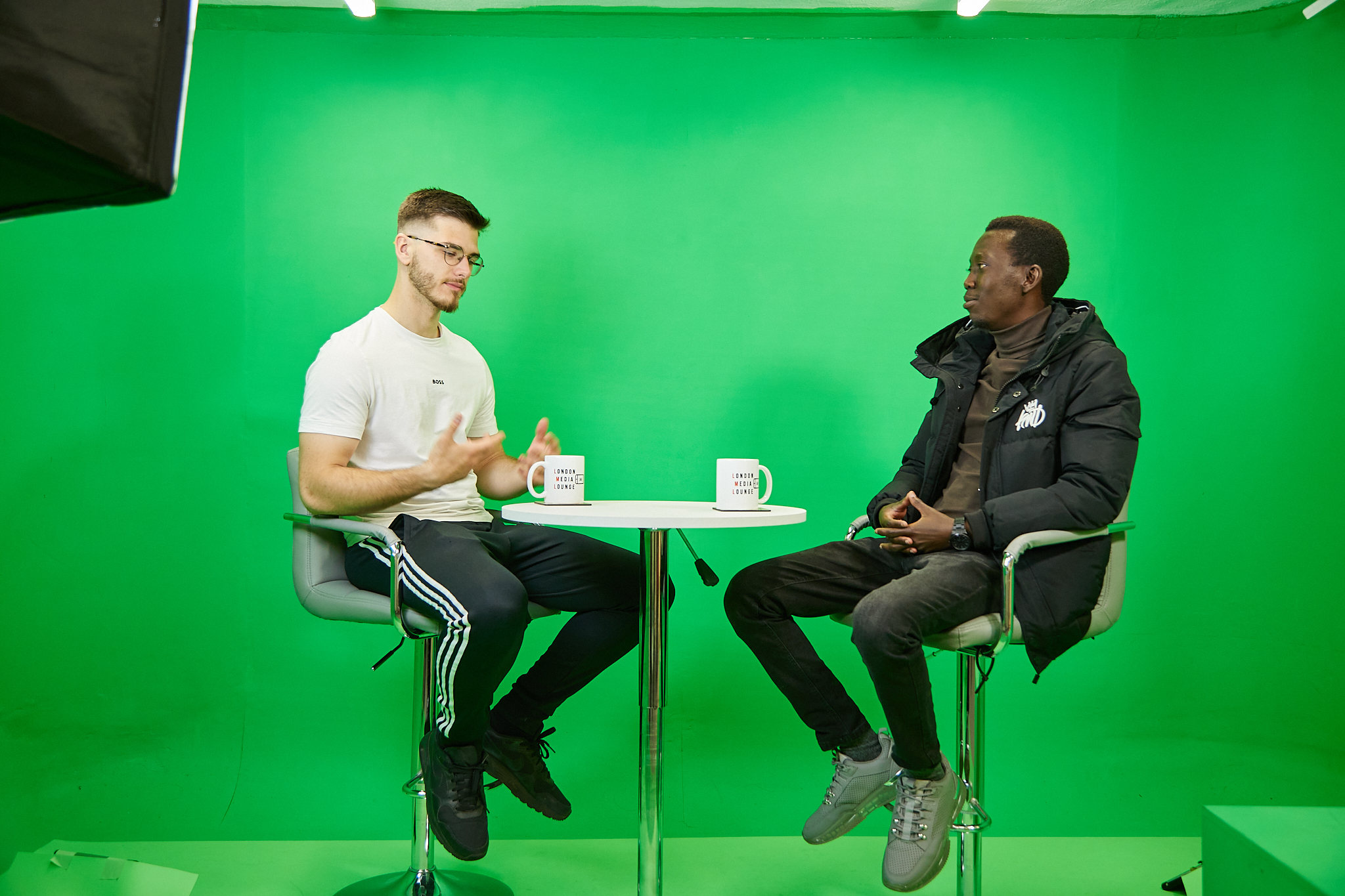
The creators who are growing the fastest in 2025 are not the ones producing the most content — they are the ones extracting the most value from the content they already produce. A single podcast episode, if approached with the right strategy, can generate 10, 15, or even 20 pieces of short-form content that perform across YouTube Shorts, Instagram Reels, TikTok, and LinkedIn. At London Media Lounge, this short-form content strategy has helped the channels we manage generate millions of views and grow their audiences substantially faster than long-form content alone would allow.
Why Short-Form Is a Growth Engine, Not a Distraction
There is a common misconception among podcast creators that short-form content distracts from the main show. In reality, it is the opposite. Short-form clips serve as trailers and highlights for the long-form episode. A viewer who watches a 60-second clip of your podcast guest making a powerful point is far more likely to click through to the full episode than a viewer who has never encountered your show at all.
Short-form content also dramatically expands your reach beyond your existing subscriber base. YouTube Shorts, Instagram Reels, and TikTok have powerful discovery algorithms that push content to non-followers who match your audience profile. Every clip you post is a new entry point into your content ecosystem — a net cast into an audience that has never heard of your show.
Step 1: Record With Clips in Mind
The best short-form content is not engineered in the edit — it is captured in the studio. Hosts who are aware of the clip strategy ask questions designed to elicit punchy, standalone answers: "What is the one thing you would tell your younger self?", "What is the biggest mistake people make in this industry?", "What is something most people get completely wrong about X?" These questions generate responses that stand on their own without requiring the viewer to have any context from the rest of the episode.
At London Media Lounge, our studio team flags strong clip moments during recording, making the post-production clip selection process faster and more reliable.
Step 2: Identify Your Clip Categories
Not all clips are created equal. The most effective short-form clip strategy diversifies across several content categories from a single episode:
The Hook Clip — A bold, surprising, or controversial statement from the episode that immediately grabs attention. This is usually the best-performing clip type because it creates curiosity and drives discussion.
The Value Clip — A 60 to 90 second segment where the guest delivers a clear, actionable insight or piece of advice. This performs particularly well on LinkedIn and YouTube Shorts for business and educational podcasts.
The Story Clip — A compelling personal story or anecdote from the episode. Stories are inherently watchable and tend to retain viewers for longer than factual or opinion-based content.
The Debate Clip — A moment where host and guest disagree, challenge each other, or explore different perspectives. Debate clips generate comments and shares far above average because they invite viewers to take a side.
The Quotable Clip — A single sentence or short paragraph that is so well-phrased it stands alone as shareable content. These work particularly well as static graphics on Instagram and LinkedIn.
Step 3: Optimise for Each Platform
A clip that performs well on YouTube Shorts will not automatically perform well on TikTok, and vice versa. Each platform has different content norms, aspect ratios, caption styles, and audience expectations. At London Media Lounge, our post-production team formats each clip for the specific platform it is destined for:
YouTube Shorts require vertical 9:16 format, a strong hook in the first three seconds, and typically perform best with a clear on-screen caption at the top identifying the guest. TikTok rewards faster pacing, trending audio where relevant, and a conversational direct-to-camera feel. Instagram Reels favour polished production quality and perform best with clean typography and a clear CTA directing viewers to the main episode. LinkedIn clips perform best with professional framing, clear actionable insight, and captions, as the majority of LinkedIn video is watched without sound.
Step 4: Caption Everything
Between 70 and 85 per cent of social media video is watched without sound. If your clips do not have captions, you are immediately cutting your potential audience by the majority. Beyond accessibility, captions also significantly increase watch time, as viewers who might otherwise scroll past a video they cannot hear will stay engaged if they can read the content.
Auto-generated captions are a good starting point, but manual review is essential. Inaccurate captions on a professional show undermine credibility and can introduce errors that change the meaning of what was said.
How Many Clips Per Episode?
For a standard 45 to 60 minute episode, a well-executed clip strategy typically yields between 8 and 15 clips of varying lengths and styles. Publishing three to five clips per week from a single episode creates a sustained social media presence without requiring the creation of any additional content beyond what you have already recorded.
If you want to implement a professional short-form content strategy for your podcast, speak to the team at London Media Lounge. We handle the full clip workflow from studio recording to final publish, allowing you to focus on the conversations that drive the content.